ai influencer agency: building brand ip, not just hiring avatars
stop thinking of ai influencers as just cheaper creators. a true ai influencer agency builds ownable, compounding brand assets that drive measurable performance across channels.
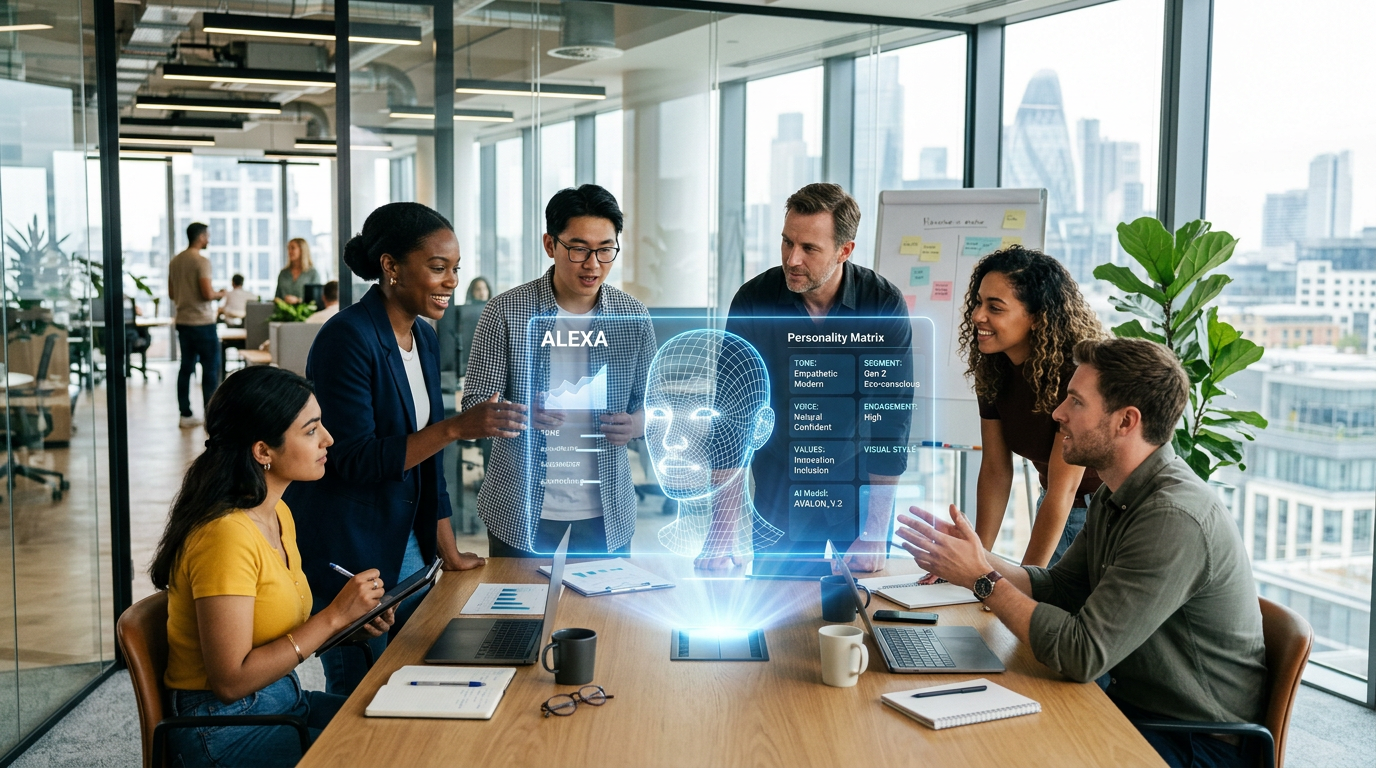
Virtual influencers are posting engagement rates nearly three times higher than their human counterparts. While most brands are intrigued by the idea of creators who are always on-message and drama-free, they're missing the bigger picture. The conversation is stuck on finding a cheaper, more controllable alternative to human creators.
That’s the wrong frame. Thinking of an AI influencer agency as a vending machine for digital puppets is a strategic dead end. Instead, you should see these services as what they really are: engines for building permanent, scalable, and high-performance brand IP.
The value isn't just in a single campaign's reach. It's in creating an asset that grows in value over time, one that you own and can deploy across your entire marketing ecosystem. Let's break down what that actually means for your brand.
Why AI Avatars Are More Than Just Digital Puppets
The core difference between working with a human influencer and an AI one comes down to ownership. One is rented access, the other is an ownable asset. This distinction changes the entire economic and strategic equation.
The Shift from Rented Reach to Owned IP
For years, influencer marketing has operated on a simple transaction. You pay a creator a fee to access their audience for a limited time. When the campaign ends, the value transfer stops. You're left with some content and hopefully a sales lift, but the core asset, the audience relationship, remains with the creator.
An AI influencer agency flips this model. When you develop a virtual persona, you own the intellectual property. The character's story, their visual identity, and their voice become part of your brand's world. This is a compounding asset. Every piece of content, every interaction, and every new follower builds equity in something you control, not rent.
Top-tier agencies like Ogilvy have documented this shift, noting how hyper-realistic avatars are driving what they call “creator commerce.” In one powerful case study, two AI avatars generated over $7 million in sales in just seven hours. That's not just reach, it's a direct commercial outcome from brand-owned IP.
Beyond Novelty: Driving Real Commercial Results
For a long time, virtual influencers like Lil Miquela or Imma were seen as fascinating novelties. That era is over. These digital-native personalities are now proven conversion drivers, especially with younger demographics.
Consider the data. Around 35% of Gen Z consumers report having purchased a product promoted by a virtual influencer. This shows they are not just watching for entertainment, they are trusting these avatars enough to act on their recommendations. The engagement metrics back this up, with virtual creators averaging a 5.67% engagement rate compared to the 1.89% seen by most human influencers.
This isn't a fluke. It's a signal that audiences are open to connecting with well-crafted, authentic-feeling digital personas. For brands, this means an AI avatar isn't just a PR stunt. It's a legitimate channel for driving sales and building a deeply engaged community.
How an AI Influencer Agency Operates: The 'IP Engine' Model
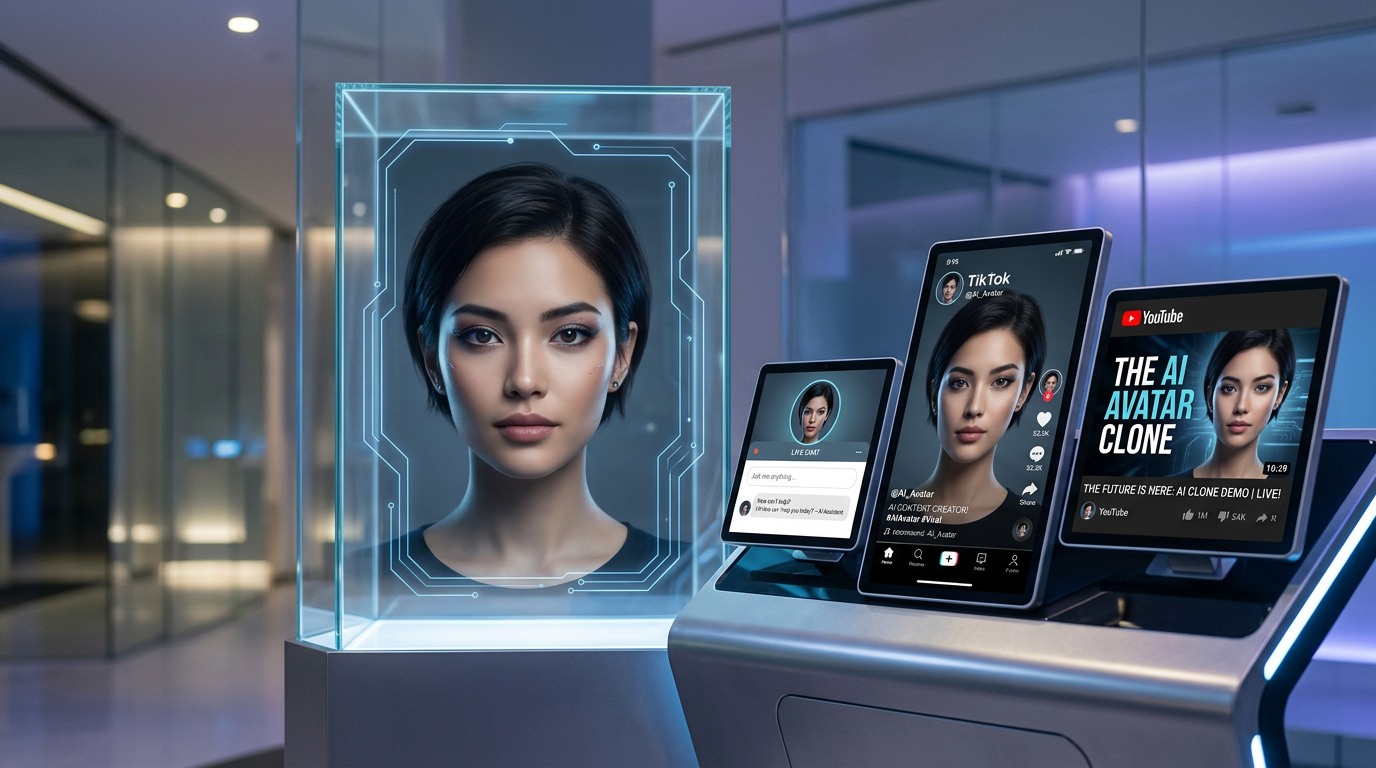
A sophisticated AI influencer agency doesn't just design a cool-looking avatar. It builds and manages a comprehensive content and distribution system. This is the “IP Engine,” a framework for turning a single character into a multi-channel performance marketing machine.
Multi-Channel, Always-On Presence
One of the most powerful aspects of an AI persona is its infinite scalability. A single, core virtual influencer can be instantiated into multiple “clones,” each tailored for a specific platform and purpose. The very same avatar can host a live shopping event on TikTok, star in cinematic brand videos on YouTube, and power a 24/7 customer service chatbot on your website.
This unified presence ensures a consistent brand experience across all touchpoints. An AI influencer agency manages this entire workflow, synchronizing the character’s narrative and personality everywhere they appear. It becomes a core pillar of your digital marketing strategy, not a siloed experiment.
Performance-Grade Creator Marketing
The "IP Engine" model treats creator marketing with the same rigor as paid media. Because you own the asset, you can test and optimize everything. An agency can A/B test different personality scripts, visual styles, and calls-to-action to see what resonates most with specific audience segments.
Does a witty, sarcastic tone drive more shares? Does a warm, empathetic persona result in more sales? With an AI avatar, you can get definitive answers. This approach integrates directly with modern analytics, allowing for precise attribution and ROI measurement. It’s a far cry from the often-fuzzy metrics of traditional influencer campaigns.
Governance and Human Oversight
Of course, this technological power comes with responsibility. A professional agency provides essential human-in-the-loop governance. This includes managing the legal framework around the avatar’s IP, ensuring transparent disclosure to audiences, and auditing engagement to prevent fraud.
This isn’t just about hands-off ai automation. It’s about pairing powerful generative AI tools with senior human strategists who understand brand safety, ethics, and long-term reputation management. This combination of tech and oversight is what separates a professional operation from a risky gimmick.
Building a Strategic Portfolio of AI Personas
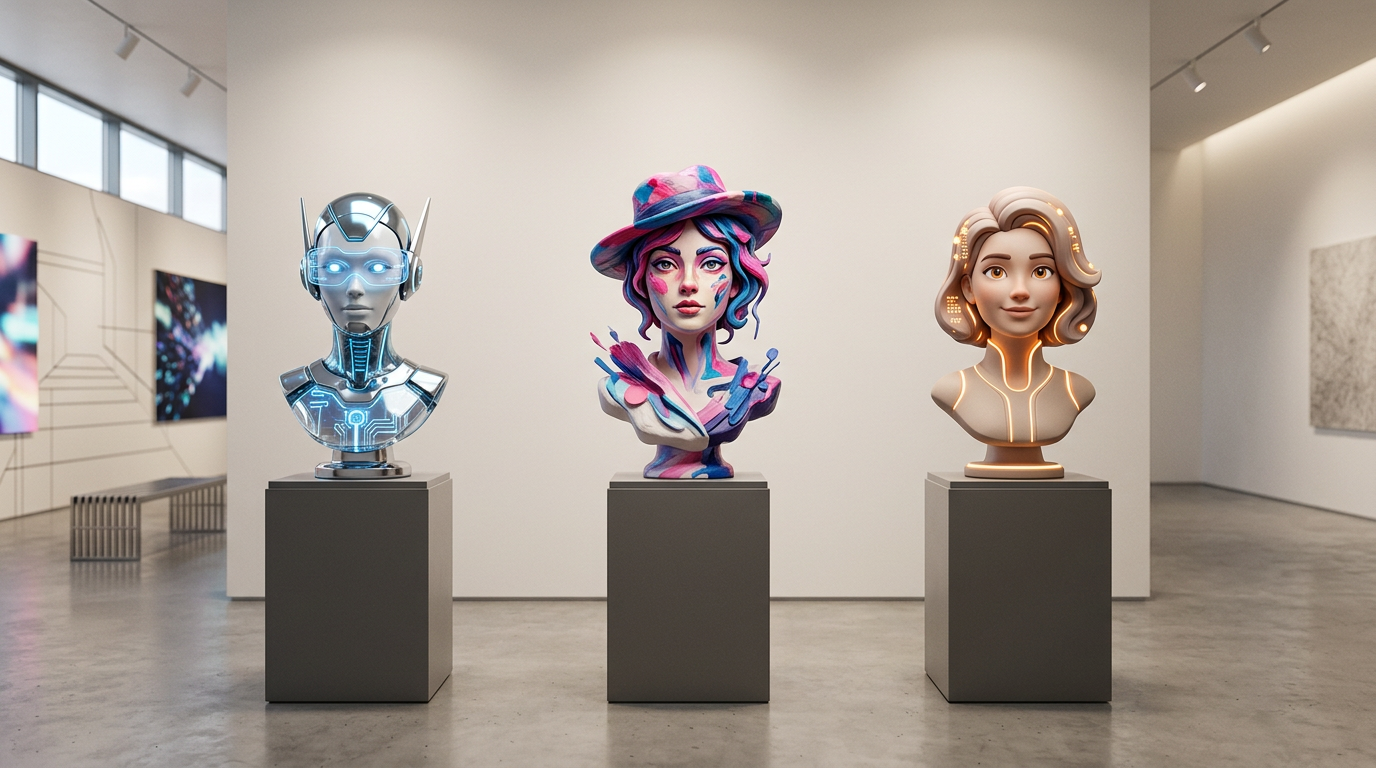
While it might be tempting to pour all your resources into creating a single, superstar brand mascot, the smarter strategy is to build a portfolio of specialized AI personas. Different stages of the customer journey require different types of communication, and a portfolio approach allows you to align each persona with a specific business goal.
Aligning Personas with Funnel Stages
Imagine a team of AI influencers working together. One could be a high-energy, entertainment-focused creator optimized for top-of-funnel awareness on platforms like TikTok and Instagram Reels. Their job is to capture attention and introduce the brand to new audiences.
Another persona could be an industry expert, designed to host webinars and answer complex questions in forums or on a blog. This avatar builds trust and credibility during the mid-funnel consideration phase. Their content can be meticulously crafted to answer high-intent queries, a task often managed by a technical seo agency to capture organic traffic.
Finally, a third persona could act as a personal shopper or live-stream host, guiding users toward a purchase. This bottom-of-funnel avatar is all about conversion, using a persuasive and helpful tone to close sales. Each persona has a clear KPI, and together they create a full-funnel marketing force.
The Market Opportunity: Sizing the AI Influencer Boom
This isn't a niche trend. The shift toward AI-driven creator marketing is a seismic event backed by enormous financial momentum. The numbers paint a clear picture of a channel that is rapidly moving from experimental to essential.
According to industry reports on the virtual influencer market, the global market is valued at $8.3 billion in 2025. This figure is forecast to explode to $45.88 billion by 2030, growing at an astonishing compound annual growth rate of 40.8%. This kind of growth is rare and signals a fundamental change in how brands will connect with audiences.
Leading influencer marketing platforms like CreatorIQ highlight virtual influencers as a top trend for 2026, noting that 86% of creators already use generative AI to some degree. CMOs are taking notice and acting accordingly. By 2026, many are expected to allocate up to 30% of their total influencer marketing budgets to virtual and AI-driven campaigns. This is no longer play money; it's a strategic investment in the future of brand communication.
The question is no longer *if* you should engage with AI influencers, but *how* you will build a strategy to compete. Moving beyond the simple avatar and embracing the “IP Engine” model is the only way to secure a long-term advantage. It's time to think like an asset manager, not just a campaign planner. The first step is to partner with a team that can help you launch your ai influencer program with a strategic foundation from day one.