ai vs human influencers: the real cost of control
wondering about the cost of an ai influencer agency vs a human? it's not just price. it's about control. here's how to decide where to put your budget in 2026.
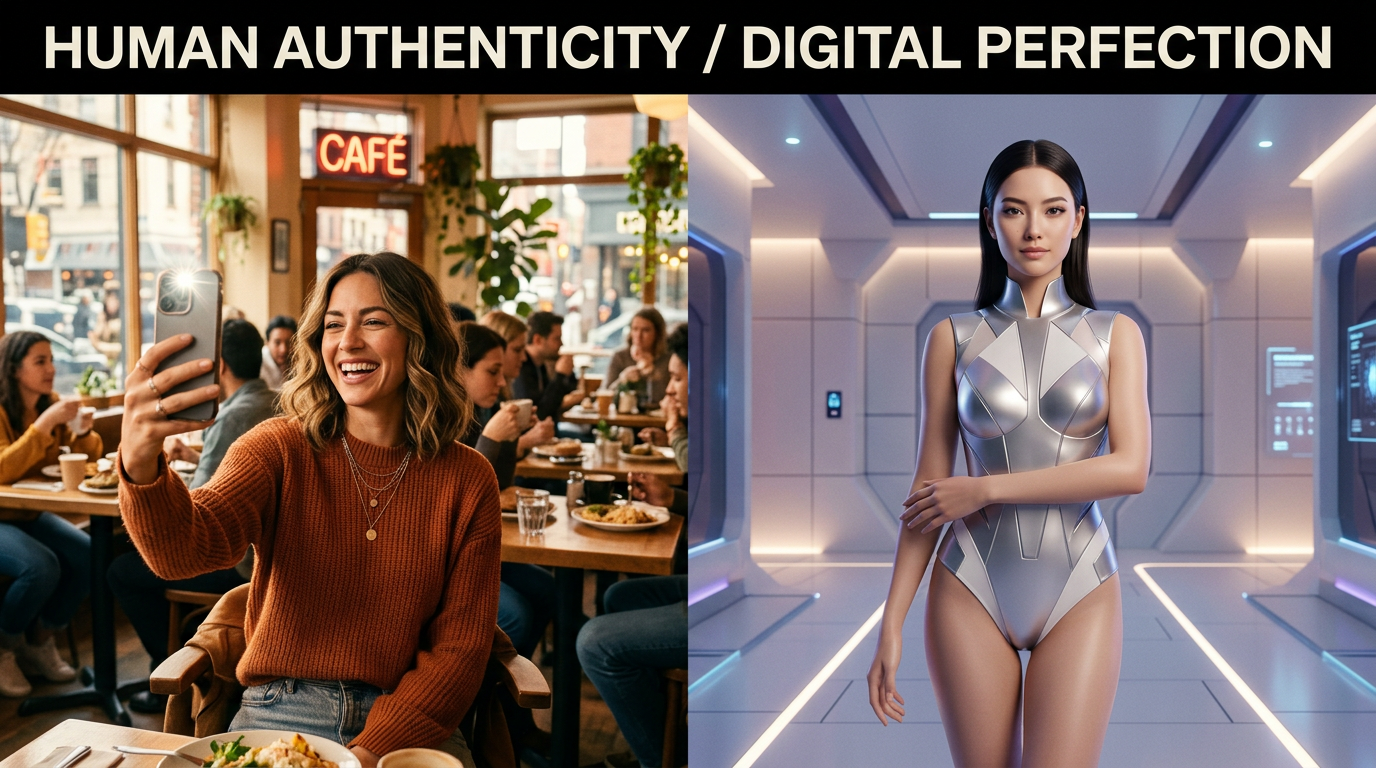
Hiring an AI influencer for a campaign can slash your costs by 40 to 80 percent compared to a human creator. That’s a massive gap. But framing the debate as a simple price comparison misses the entire point. The real question isn’t about cost per post. It’s about the cost of control.
As the virtual influencer market explodes, projected to hit $154.6 billion by 2032, savvy marketers aren’t just chasing discounts. They are strategically buying predictability and scalability. Meanwhile, the premium for human influencers isn't just for their follower count, it's for their unscripted, authentic, and sometimes chaotic, humanity.
So let's break down the real economics. We need to look beyond the rate card and examine what you’re actually paying for: predictable performance or authentic connection.
The Raw Numbers: A 2026 Cost Comparison
Let's get the sticker shock out of the way first. On paper, the financial argument for AI influencers is incredibly compelling. The data from 2025 and 2026 paints a very clear picture of a significant price disparity.
Analyses consistently place AI influencer campaign costs anywhere from 30% to a staggering 80% lower than their human counterparts for similar reach. This isn’t a small rounding error. It’s a fundamental shift in the economics of creator marketing.
Breaking Down the Price Tiers
Consider a typical mid-tier human influencer with 100,000 to 500,000 followers. According to 2026 pricing tables like those published by GreaterThan.ai, you can expect to pay anywhere from $5,000 to $25,000 for a single sponsored post. A more complex format like an Instagram Reel could push that fee even higher.
Now look at the AI alternative. An AI influencer with a comparable or even larger audience might cost between $2,000 and $12,000 for an entire campaign. That's not per post. That’s often a package deal, secured through a flat licensing fee instead of a talent fee. The AI influencer agency Pixel, for instance, has been noted for offering packages with video, posts, and stories starting around $4,000.
For micro-influencers, the gap persists. A human creator with 50,000 followers might charge $1,500 for a post. An AI-driven partnership could deliver multiple assets for the same price, often with a lower cost-per-engagement. Speaking of which...
The ROI Multiplier: Cost-Per-Engagement
The savings extend beyond the initial fee. Because AI influencers are a novelty and can be programmed with optimized calls to action, they often see surprisingly high engagement. Some 2025-2026 studies report a 40% to 65% lower cost-per-engagement for virtual creators compared to humans in the same tier.
In some cases, this can result in an engagement multiple that is 3x higher for AI-driven campaigns at scale. You pay less upfront and get more efficient results. It’s a performance marketer’s dream, and a key reason why brands are reallocating budgets from high-fee human talent to scalable digital avatars.
The Human Premium: Paying for Authentic Storytelling
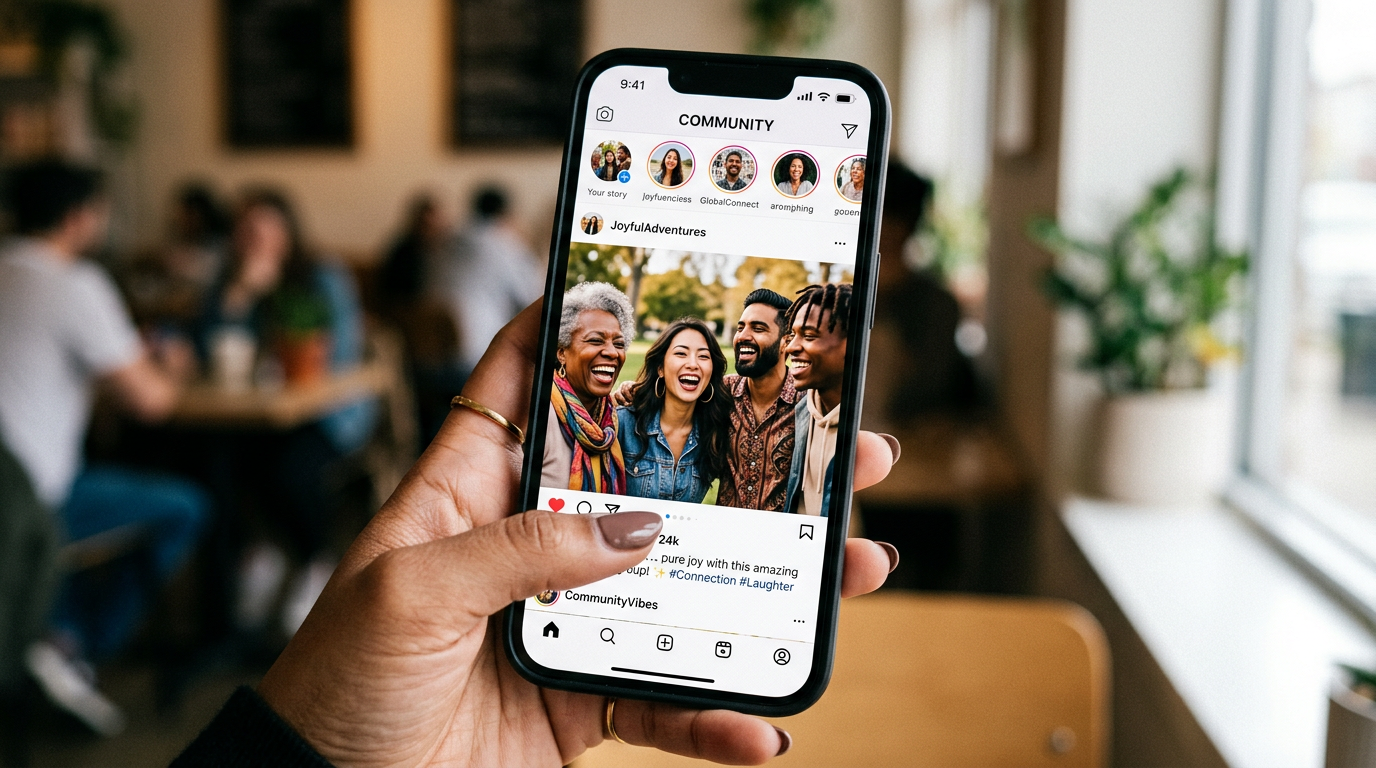
If AI is so much cheaper and more efficient, why does the human influencer market still command a $32.55 billion valuation in 2025? Because brands are paying a premium for something AI cannot, at least not yet, replicate: genuine, nuanced, human experience.
When you hire a human creator, you aren’t just buying impressions. You're investing in their credibility, their unique voice, and their lived-in relationship with their audience. You're paying for their ability to tell a story that connects on an emotional level. This is where the higher price tag starts to make sense.
You can’t send an AI influencer to a music festival to capture the spontaneous energy of the crowd. You can’t ask a virtual avatar for a truly authentic review of a new skincare product based on how it feels on their skin. For campaigns that rely on cultural nuance, on-the-ground activation, or deeply personal storytelling, the human premium is a necessary investment.
Think of it as the difference between a stock photo and a commissioned piece of art. The stock photo is cheap, predictable, and gets the job done. The art is expensive, unique, and carries a story that resonates far more deeply. Neither is inherently better, they just serve different strategic purposes in a holistic digital marketing plan.
The AI Discount: Gaining Control and Scalability
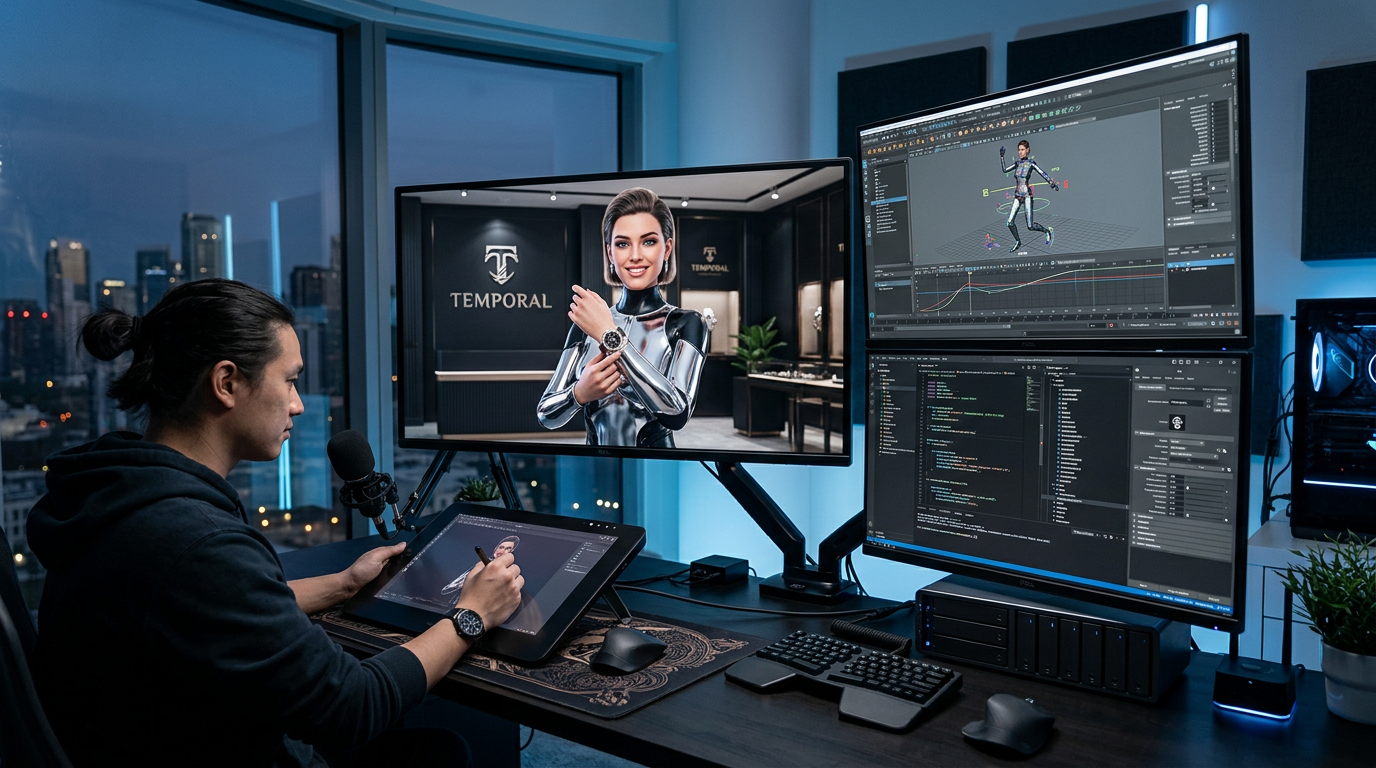
Conversely, the massive cost savings offered by an ai influencer marketing agency come from one primary source: the elimination of uncontrollable variables. You are essentially paying for absolute control, and getting a discount for it.
Think about all the hidden costs and risks associated with human talent. There's travel, scheduling conflicts, creative differences, agent fees, and the ever-present risk of a PR crisis if the influencer says or does something off-brand. A human is a person, subject to moods, mistakes, and personal drama.
An AI influencer has none of that baggage. They are available 24/7, across any time zone. They will never go off-script, get caught in a scandal, or demand a last-minute contract revision. All the messy, unpredictable human elements are stripped away, leaving a pure, predictable marketing channel. This is the essence of why a powerful seo agency might recommend them for specific, scalable campaigns.
This level of control is a form of ai automation for the creative process. It transforms the variable, often chaotic world of talent management into a predictable production workflow. You get exactly what you signed up for, every single time. This is why Reuters Breakingviews commentary highlights that AI influencers are simply more economical for brands that prioritize repeatable, brand-safe messaging.
A Strategist's Guide: Choosing the Right Influencer for the Job
The "AI vs. Human" debate is a false choice. The smart question isn't which one is better, but which one is right for this specific campaign goal. The best marketers of 2026 and beyond will use both, building a hybrid portfolio of creators to match the task at hand.
Here’s a simple framework to guide your decision:
Choose a Human Influencer when you need:
- Deep Authenticity and Trust: For personal testimonials, product reviews, or campaigns that require an emotional connection and lived experience.
- Cultural Nuance and Credibility: To tap into a specific subculture or community in a way that feels genuine and earned.
- Live Activations and Events: When you need a physical presence, whether it's for a store opening, a trade show, or live social content.
- Unscripted Storytelling: To create content that feels organic, spontaneous, and creator-led, rather than brand-dictated.
Choose an AI Influencer when you need:
- Maximum Control and Brand Safety: For high-stakes campaigns where you cannot afford any deviation from the script or brand guidelines.
- Global Scale and High Volume: To produce a large amount of content across multiple markets and platforms without logistical headaches.
- Performance-Driven Results: When the primary goal is driving clicks, conversions, or other direct actions with perfectly optimized CTAs.
- Evergreen and Reusable Assets: To create a library of content that can be repurposed endlessly without worrying about talent usage rights expiring.
Platforms like CreatorIQ are essential for tracking trends in this blended creator economy, helping you understand where both virtual and human creators fit. Ultimately, the cost is just one data point. Your decision should be rooted in strategy.
Your budget isn't just a number. It's a reflection of your priorities. Are you buying storytelling or are you buying scale? Are you paying for authenticity or for absolute control? Define your goal first, and the right choice of influencer, along with its associated cost, will become perfectly clear.