how to write content ai search engines actually quote
tired of ranking #1 only to be invisible in ai overviews? learn the content framework for engineering 'quotable blocks' that ai search engines will lift and attribute.

The game has changed completely. For fifteen years, we all obsessed over the same thing: ranking on the first page, battling for those ten blue links. But the first page is quickly becoming a relic. Now, your audience often gets their answer directly from an AI-generated overview, without ever needing to click through.
This isn't a disaster, it's a strategic pivot. The new goal isn’t to rank number one on a list. The new goal is to become the authoritative source quoted directly in the answer itself. To get there, you have to fundamentally shift how you think about, structure, and write content.
From Ranking Content to Engineering Quotable Blocks
The old model of a long, flowing article is dead. AI models, like the ones powering Google’s AI Overviews, don't “read” your article for enjoyment. They parse it for answers. They are executing a specific task: find the most concise, authoritative, and well-structured response to a user's query.
To win this new game, we must stop writing articles and start engineering knowledge. Think of your content not as a single document, but as a collection of modular, independent “quotable blocks.” Each block is a self-contained unit, designed from the ground up to be found, understood, and lifted by an AI.
This isn't just theory. It's the core of a modern digital marketing strategy. You're building an evergreen library of answers, ready for deployment by the next generation of search engines.
The Anatomy of a Perfect Quotable Block
So what does one of these blocks actually look like? It's not complicated, but it is incredibly precise. The most effective quotable blocks follow a specific four-part structure designed for machine readability and, just as importantly, user trust.
Step 1: Frame It as a Question
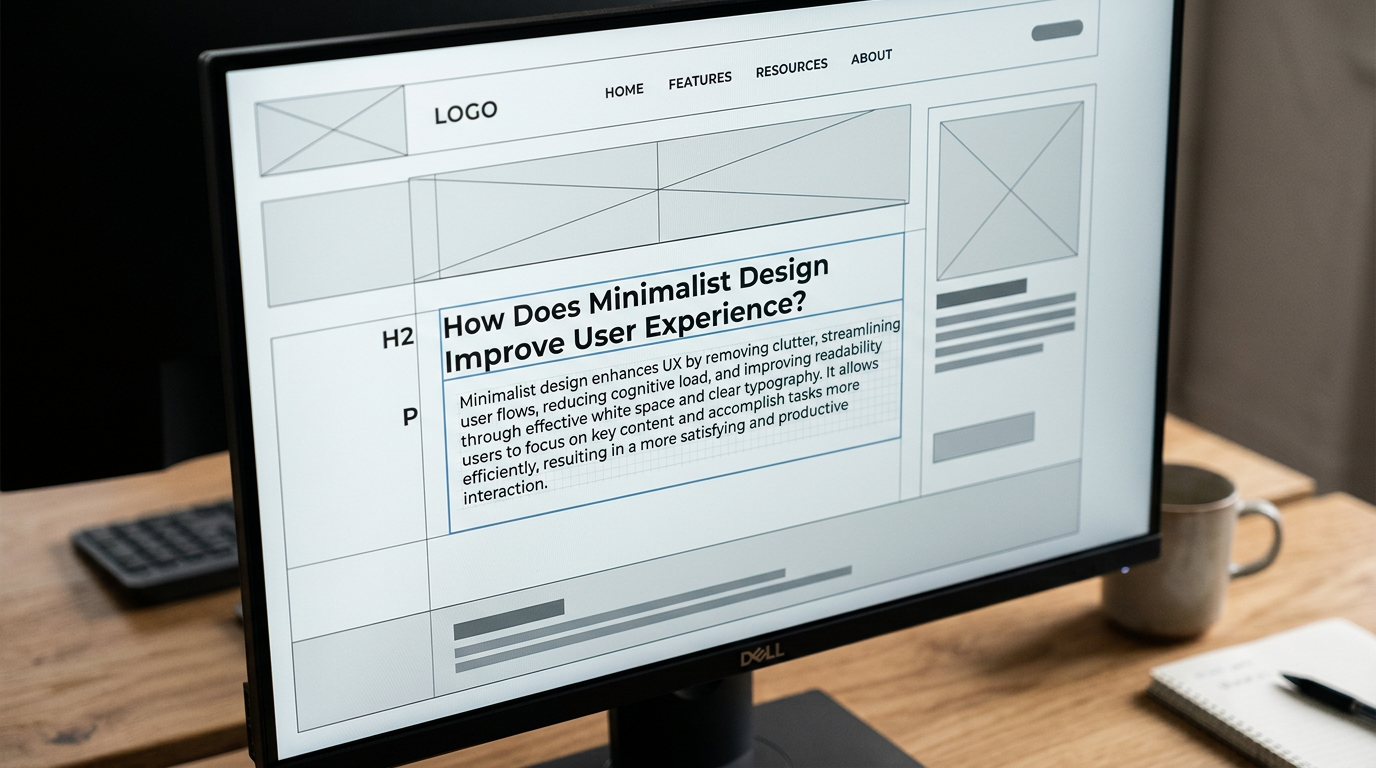
Your headings are no longer simple topics; they are the literal questions your audience is asking. Every H2 and H3 on your page must be a specific query. Instead of a generic heading like “User Experience,” you must use “How Does User Experience Affect SEO?”
This structure immediately signals to an AI crawler that a direct answer is about to follow. It’s the foundational element of effective search engine optimization in the AI era. It works because it maps your content structure directly to user intent, leaving zero room for interpretation.
Step 2: Provide the 40-60 Word Answer Immediately
This is the most critical step, and the one most content teams get wrong. Directly under your question-based heading, you must provide a direct, concise answer. Research shows the sweet spot is 40 to 60 words, max. This is your TL;DR, your executive summary, and your AI-quotable snippet all in one.
No fluff. No throat-clearing. No “in this section we will discuss.” Just the answer. A tool like Elementor AI can even help draft these compact summaries, enforcing a structure that forces clarity and brevity. This isn't just good for AI quoting, it’s great for impatient human readers who want facts fast.
Step 3: Back It Up with Bulletproof Evidence
After your direct answer, you build trust and authority with supporting facts. Don't hide them in dense prose. Use a short bulleted or numbered list (no more than five items) to present clear, scannable evidence. This format is incredibly easy for an AI to parse and understand as a set of related facts.
- Hard data and specific percentages (e.g., "improves conversion by 25%").
- Citations from credible studies or industry reports.
- Key features or discrete process steps.
- Direct quotes from recognized experts.
- A comparison between two related concepts.
This organized evidence reinforces the authority of your initial 50-word answer. It makes your block a more compelling and defensible choice for the AI to feature over a competitor's less substantiated claim.
Step 4: Show, Don't Just Tell, with an Original Element
Here’s where you build your moat and demonstrate true expertise. After the evidence, include one piece of original, first-hand content that an AI can't find anywhere else on the web. This is the E-E-A-T signal that truly sets you apart.
This original asset might be a custom screenshot with your own annotations, a small data visualization you created, a micro case study from your personal experience, or a unique framework diagram. This element proves you aren't just regurgitating information. You're creating net-new knowledge, which is exactly what Google's helpful content systems are designed to find and reward.
Formatting: The Unsung Hero of AI Quotability
You could have the most brilliant insights in your industry, but if they're buried inside a monolithic wall of text, AI crawlers will simply skip over them. Formatting isn't just about aesthetics anymore. It's a technical requirement for visibility.
Break up your thoughts relentlessly. Short paragraphs of two to three sentences are now the standard. Sentences should be clear and direct, ideally under 20 words. Aggressively use semantic HTML like for emphasis and or
to create structure and hierarchy. For comparing products or ideas, nothing beats a simple HTML table for machine readability.
Auditing Your Current Content for AI Readiness
This doesn't mean you need to tear down your entire website. Start with triage. Identify your top 5-10 most important pages, whether by organic traffic or business value. These are your pilot program candidates for building quotable blocks.
Once you have your list, perform the “Five Second Test.” Open one of the pages. Can you find the definitive, core answer to the user's main query within five seconds, without scrolling? If the answer is buried halfway down the page or requires careful reading, you've failed the test. This human-centric test is an excellent proxy for an AI parser's ability to extract an answer quickly.
Next, get technical. Use a tool like the Semrush On-Page SEO Checker to audit the page for structural problems. It helps you see your content the way a bot does, flagging issues like dense text blocks, missing subheadings, or poor semantic HTML that might prevent an AI from cleanly extracting your key points.
Finally, conduct a manual structure review. Look at your H2 and H3 tags. Are they generic topics like “Benefits” and “Conclusion”? Or are they specific questions like “What Are the Main Benefits of This Approach?” Map out your old, topic-based structure and design a new one built around a series of question-led quotable blocks. This audit creates your project plan.
Why AI Still Trusts Humans (For Now)
All these structural elements are just one side of the coin. The other, and arguably more important side, is trust. Google’s E-E-A-T (Experience, Expertise, Authoritativeness, Trust) guidelines are more relevant than ever in the AI search era. AI systems are being actively trained to prioritize content from authors and brands who demonstrate real, first-hand experience.
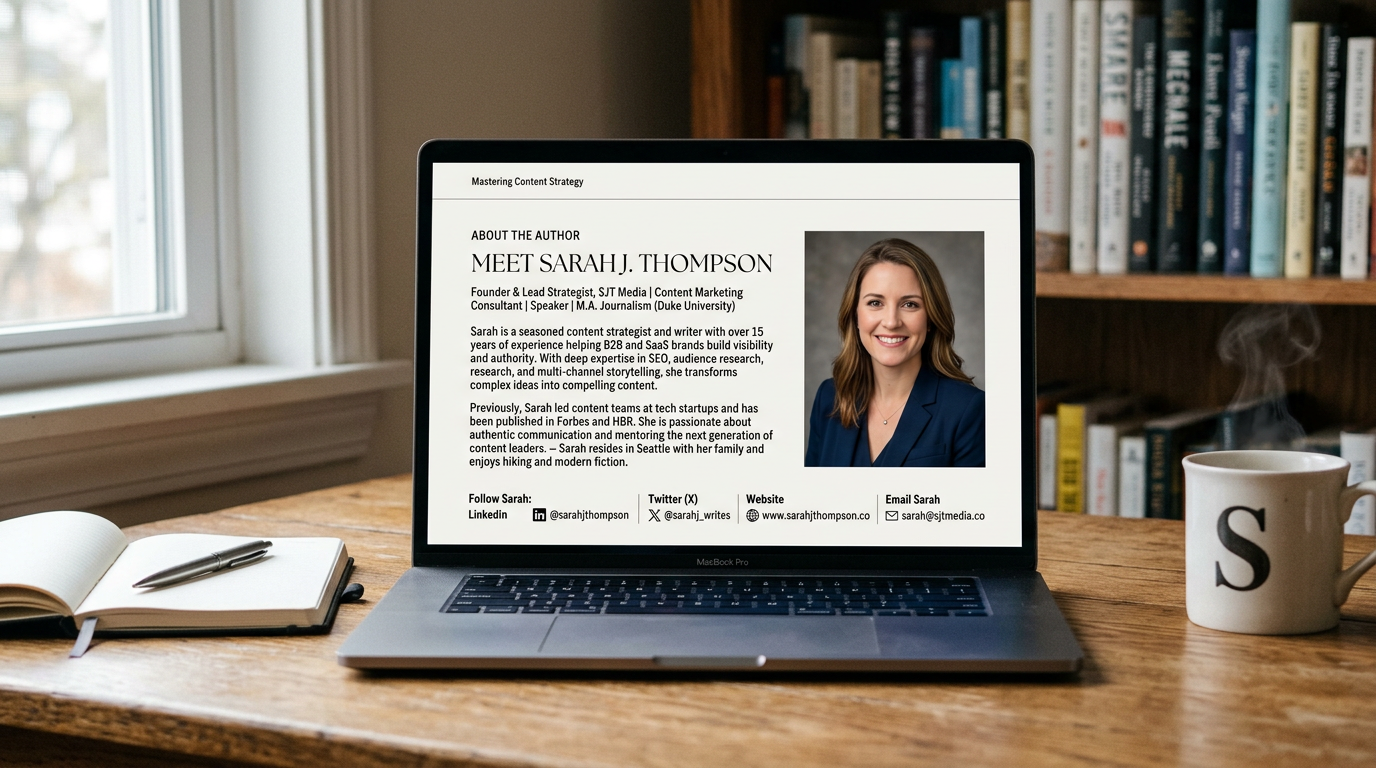
This means your author bio cannot be an afterthought. It needs to showcase specific credentials, list verifiable experience, and link to a detailed author profile page. When you share case studies or personal experiences, writing in the first person is a powerful signal. It’s what Google's guidance on optimizing for AI Overviews now explicitly rewards.
Every quotable block you engineer should be infused with this human element. This is your single greatest defense against being outranked by soulless, AI-generated content. A top geo agency, for instance, thrives by proving its local knowledge and verifiable, on-the-ground experience, the same principle applies here.
Don't Lock the Door on Your Future Audience
Finally, make sure the bots can even get in and read your masterpiece. It sounds basic, but a surprising number of sites block the very crawlers they need to attract. Check your robots.txt file to ensure you are not disallowing user agents like GPTBot or Google-Extended.
Technically, your key content must be rendered in plain HTML. If your core answers are locked inside JavaScript files or embedded within an image, they are invisible. Use Schema.org markup like FAQPage and HowTo to explicitly label your content for machines, making their job easier.
And don't neglect other search ecosystems. Submit your sitemap to Bing Webmaster Tools, a platform whose index powers a growing number of AI copilots and search experiences beyond Google. Streamlining these technical checks is a perfect use case for internal ai workflows, ensuring your site stays compliant as new crawlers and standards appear.
Your task is clear. Go to one of your most important service or product pages. Can you find the single, 50-word answer to the user's primary question within the first five seconds? If not, you have your first quotable block to engineer. Start there.