rank in chatgpt & perplexity: an ai seo guide
tired of google-only seo? learn how to get your content cited by ai like chatgpt and perplexity. our guide covers the technical and content strategies you need.
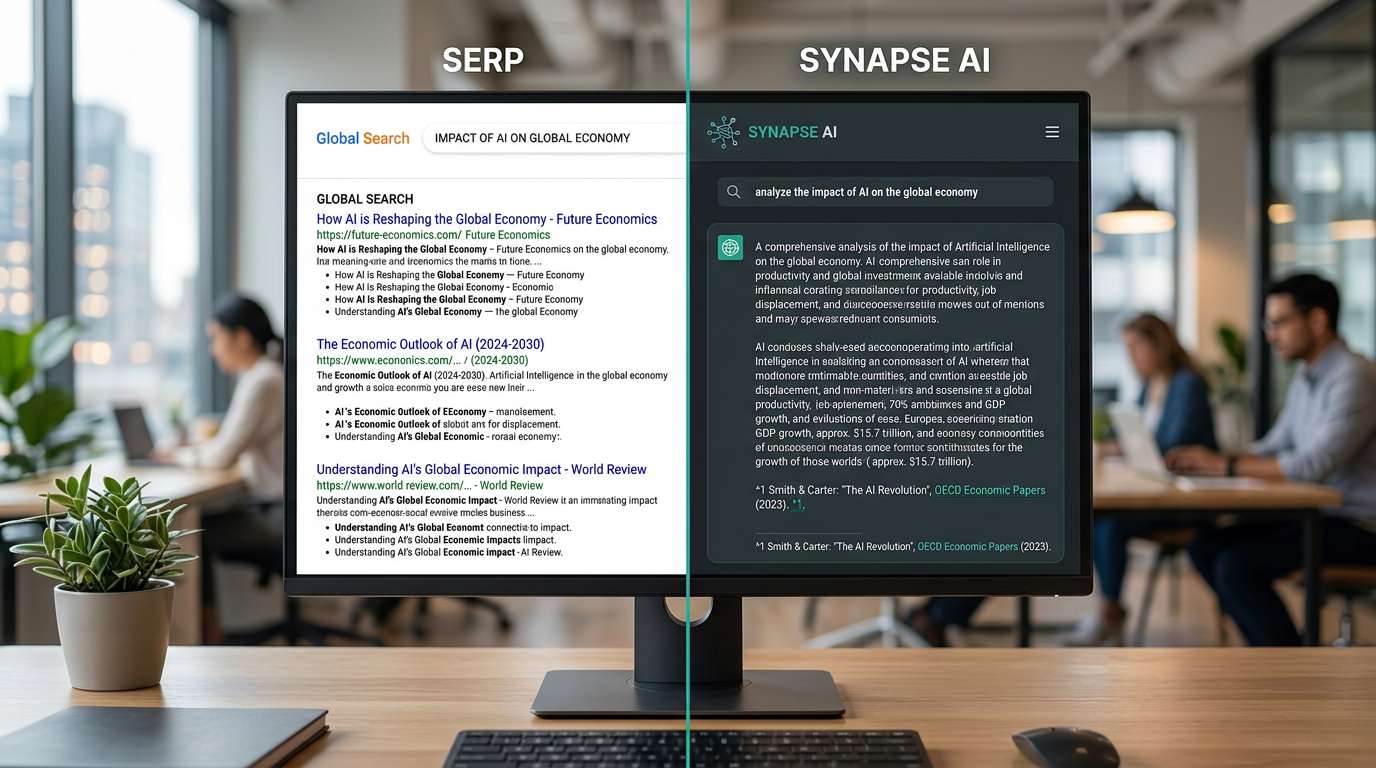
Did you know that ChatGPT trusts branded domains over generic keywords by a margin of 11.1 points? That single statistic reveals the new reality of search. We're shifting from a world of ranking for keywords to a world of being cited as an authority.
For fifteen years, the game was Google. Now, AI answer engines like ChatGPT and Perplexity are rewriting the rules of discovery. Your old playbook won't work here. This isn't just a new channel; it's a new paradigm for your entire digital marketing strategy.
The New Rules: Why Traditional SEO Isn't Enough
Getting traffic from Google is about satisfying an algorithm's checklist for a specific query. Getting cited by an AI is about providing a definitive, verifiable answer that can be repurposed. The AI isn't just linking to you. It's quoting you.
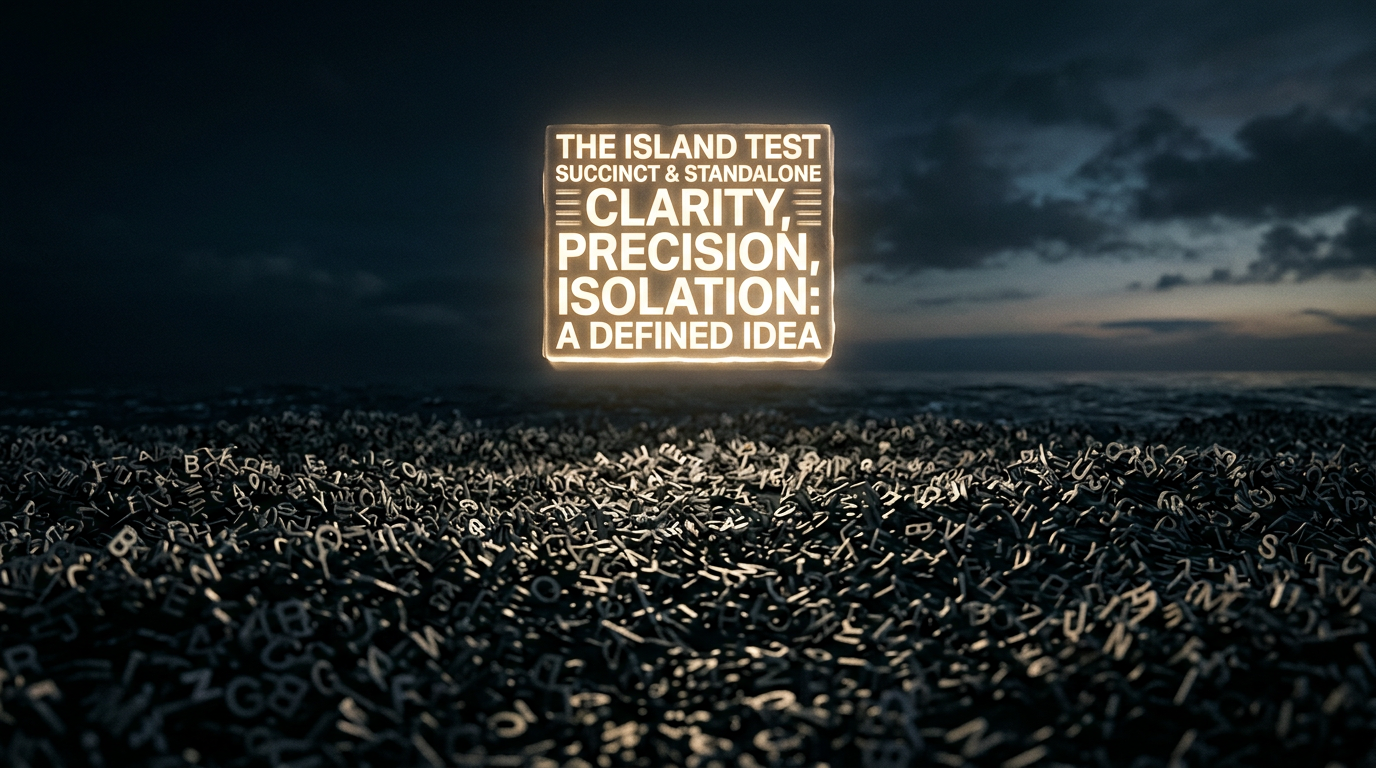
This demands a new mental model for content creation. I call it the "Island Test." Every single paragraph on your page must stand on its own, completely self-contained and understandable without the paragraphs before or after it. If an AI plucks it out of your article, does it still make perfect sense? If not, it fails the test.
Pronouns without clear antecedents, phrases that refer back to a previous idea, and context-dependent sentences all break your content from an AI's perspective. Traditional seo services often miss this nuance because they are built for a different machine. We’re moving beyond keywords and into quotable, modular content blocks.
Technical Foundations for AI Visibility
Before your brilliant content can be cited, the AI has to find and trust your website. That starts with a technical foundation that many sites, even well-optimized ones for Google, are failing right now.
Get Indexed on Bing. Period.
Here’s the part that surprises most people. ChatGPT doesn't use Google's index for its web-connected searches. It relies on Bing. Research shows ChatGPT's web retrieval protocol, known internally as Daydream, is built on the Bing index.
What does this mean for you? It's simple. If your website isn't indexed on Bing, you are completely invisible to ChatGPT's search capabilities. You don't exist.
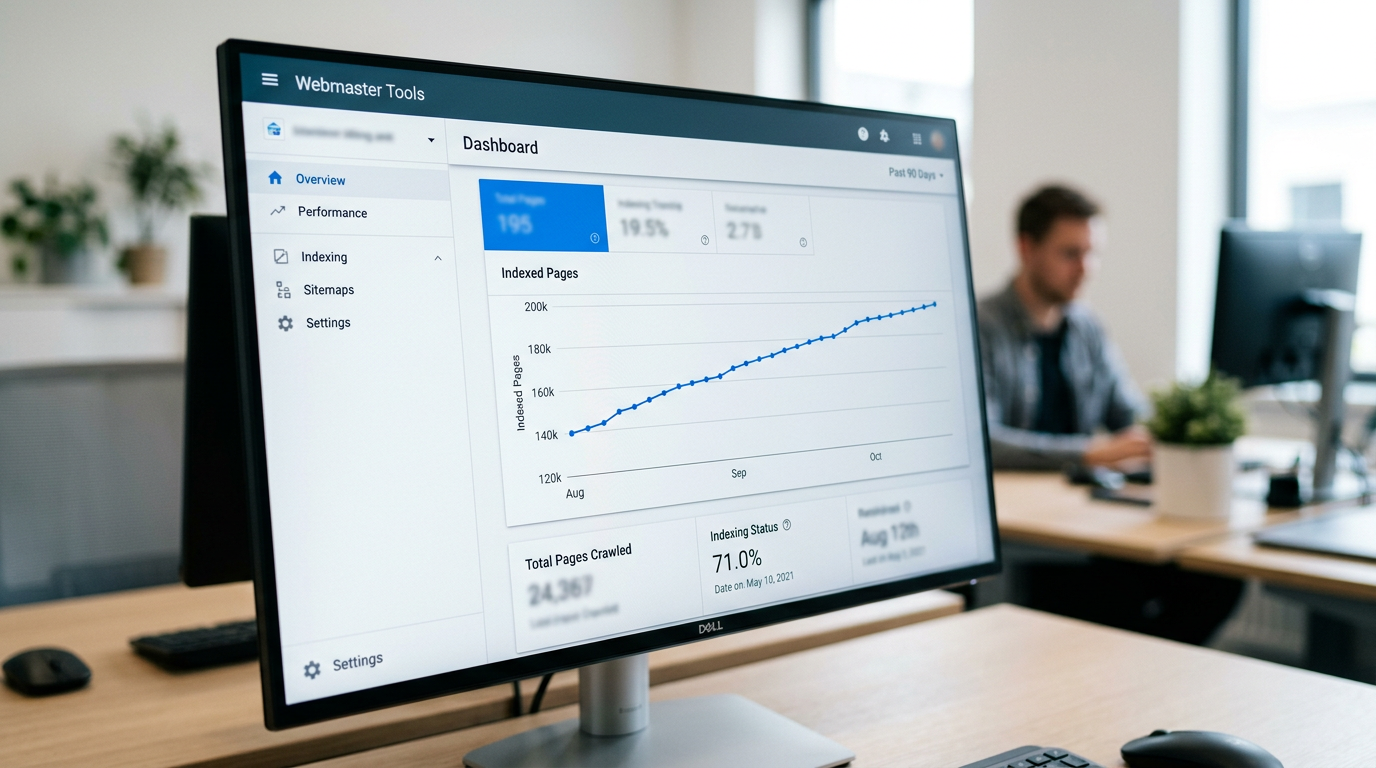
The first practical step is to create a Bing Webmaster Tools account. Submit your sitemap directly, check the index coverage report, and fix any issues preventing your key pages from being crawled and indexed. Don't assume your Google success translates. You have to verify.
Don't Block the Wrong Bots
In a rush to control how AI models use their content, many webmasters have made a critical error in their robots.txt file. They block GPTBot, which is fine if you want to prevent OpenAI from using your content for model training. But they might also accidentally block OAI-SearchBot.
OAI-SearchBot is different. It's the crawler responsible for fetching real-time information for ChatGPT's search features. Blocking it means you are explicitly opting out of being a source for answers. Check your robots.txt file today and make sure you're allowing OAI-SearchBot if you want to be visible.
Speed is a Signal of Trust
Site speed has always been important for user experience, but for AI, it's a proxy for trust and quality. AI models are trained on massive datasets and develop biases. Slow, clunky websites are penalized, as they correlate with a poor user experience and lower-quality information.
Your goal should be a load time under 2 seconds. Use tools like Google PageSpeed Insights and GTmetrix to find and fix bottlenecks. As we saw with the EcomBalance case study, speed optimization was a core pillar of their success. They cut their load times from 4.2 seconds to a lean 1.9 seconds, which signaled a high-quality, reliable domain to AI crawlers.
Content That AI Actually Cites
Once your technical house is in order, the game shifts to content. But it’s not about stuffing keywords. It's about structure, authority, and freshness. This is where you separate yourself from the pack and become a primary source.
Structure for Citation: The 40% Boost
How you structure your content has a direct, measurable impact. Recent data shows that pages with a clear heading hierarchy (H1, H2, H3), short paragraphs of just two to four sentences, and an answer-first format are cited up to 40% more often by AI platforms.
This structure makes it easy for the machine to parse your content and identify distinct concepts. Each heading signals a new topic, and each short paragraph presents a digestible, citable fact or idea. This is the architectural layout for content that wins in an AI-driven world.
Writing Verbatim-Ready Paragraphs With the 'Island Test'
Let's revisit the "Island Test." Imagine a typical sentence in an article: "This is why it's so important for your strategy." If an AI extracts that sentence, it's meaningless. This what? What strategy? The context is lost.
Now, rewrite it to pass the test: "A 30-day content refresh cycle is important for an AI SEO strategy because freshness is a key ranking signal." This sentence is an island. It can be quoted verbatim and retain its full meaning. Go through your key pages and apply this test to every paragraph. Be ruthless. Rewrite everything that depends on surrounding text for its meaning.
This level of precision is exactly what a specialized geo agency focuses on. It's not just about content, it's about engineering content for a new machine reader.
Authority, Freshness, and Original Research
Remember that 11.1 point preference for branded domains? That's a signal of authority. AI prioritizes content from recognized experts and primary sources. You build this authority by publishing original research, featuring expert quotes, and meticulously linking to your primary sources.
Freshness is another huge factor. Stale content is a liability. AI prioritizes verifiability, and recent information is easier to verify. Implement a 30-day content refresh cycle for your most important pages. Update stats, check links, and add new insights to signal to crawlers that your content is current and reliable. For a closer look at how these crawlers operate, this video on AI search configuration offers a great overview.
A Practical Case Study: How EcomBalance Won
Theory is great, but let's look at a real-world example. The team at EcomBalance, an accounting firm, managed to get cited by both ChatGPT and Perplexity within three months. They didn't just get lucky. They executed a precise strategy.
First, they implemented detailed schema markup across their site. This structured data acted like a clear label, telling AI exactly what each piece of content was about. It removed ambiguity.
Second, they focused on building deep topic clusters instead of scattered blog posts. By creating a hub of interconnected articles around their core expertise, they demonstrated comprehensive authority on the subject. They weren't just a page with an answer; they were a destination for expertise.
Finally, as mentioned earlier, they were aggressive with performance. Cutting their load speed from 4.2s down to 1.9s was a critical signal of quality and trustworthiness. These three moves, done together, transformed their site from just another accounting blog into a citable authority for AI engines.
Optimizing for AI requires a shift in thinking. It’s less about gaming an algorithm and more about becoming the most clear, authoritative, and technically sound source of information in your niche. The good news is that these practices also create a fantastic experience for your human users.
Start with one page. Pick your most important service page and put it through the "Island Test." Rewrite each paragraph so it stands alone as a piece of valuable, quotable information. If you're ready to apply this thinking across your entire digital presence, talk to our geo specialists. We can help you build the roadmap.